At Barbara M. Pizzolato, P.A., we understand the importance of estate planning in protecting your family’s future. Our Fort Myers estate planning law firm is prepared to assist you in planning for your future, as well as the future of your loved ones.
Creating a comprehensive estate plan can be a daunting task, but with professional guidance, you can ensure that your wishes are respected. Our team is dedicated to providing you with estate planning tips and a personalized Lee County estate planning checklist to help you get started.
Key Takeaways
- Understand the importance of estate planning in Lee County, Florida
- Learn how to create a comprehensive estate plan with the help of a professional
- Get a personalized Lee County estate planning checklist
- Discover the benefits of working with an experienced estate planning law firm
- Protect your family’s future with a well-planned estate
Understanding Estate Planning in Lee County, Florida
Estate planning is not just about distributing assets after you pass away; it’s about creating a comprehensive plan for your family’s well-being. It encompasses a range of decisions and documents that ensure your wishes are respected and your loved ones are protected.
What is Estate Planning?
Estate planning involves making decisions about how your assets will be managed and distributed during your lifetime and after your death. It includes planning for potential incapacity, ensuring that your financial and medical wishes are respected.
As noted by The Law Office Barbara M. Pizzolato, P.A., “Estate planning is not just about considering what will happen when you pass away. Your estate plan should also plan for ‘incapacity,’ or situations where you become too ill or injured to reliably communicate.” This comprehensive approach helps in securing your family’s future.

Importance of Estate Planning
Estate planning is crucial for several reasons:
- It ensures that your assets are distributed according to your wishes.
- It helps in avoiding probate, which can be a lengthy and costly process, with the assistance of a probate attorney Lee County, FL.
- It provides for the management of your affairs if you become incapacitated.
- It can help minimize taxes and ensure that your heirs receive the maximum inheritance, in accordance with inheritance laws Lee County.
| Benefits of Estate Planning | Description |
|---|---|
| Asset Distribution | Ensures assets are distributed as per your wishes |
| Probate Avoidance | Helps avoid lengthy and costly probate process |
| Incapacity Planning | Provides for management of your affairs if you become incapacitated |
| Tax Minimization | Helps minimize taxes for your heirs |
Common Misconceptions
Many people believe that estate planning is only for the wealthy or elderly. However, this is not the case. Estate planning is for anyone who wants to ensure that their wishes are respected and their loved ones are protected. An estate administration lawyer Florida can help guide you through the process.
Another misconception is that once an estate plan is created, it is set in stone. In reality, estate plans should be reviewed and updated regularly to reflect changes in your life, such as births, deaths, or changes in your financial situation.
Key Components of an Estate Plan
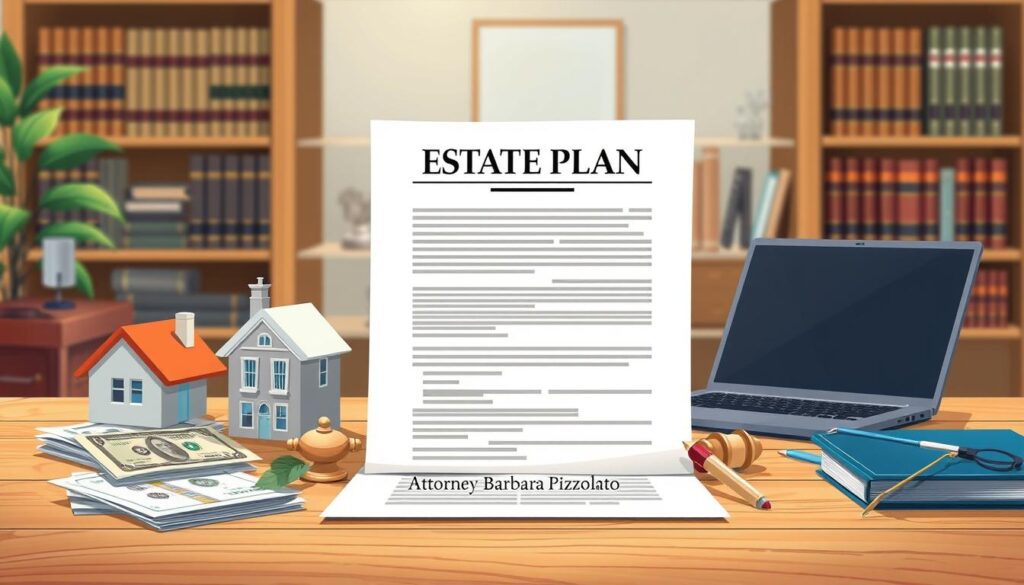
Estate planning involves several key documents that work together to protect your legacy. An effective estate plan ensures that your wishes are honored, and your loved ones are protected.
Wills vs. Trusts
A will and a trust are two fundamental documents in an estate plan. A will outlines how your assets should be distributed upon your death. It is a legally binding document that ensures your wishes are respected. On the other hand, a trust can manage your assets during your lifetime and beyond, offering more flexibility and control.
While a will goes into effect after your death, a trust can be effective immediately, allowing for the management of your assets if you become incapacitated. Consulting with a trust and estate planning attorney in Lee can help you decide which is best for your situation.
Powers of Attorney
A power of attorney is a legal document that grants someone the authority to make decisions on your behalf. This can be crucial if you become unable to manage your affairs due to illness or injury. There are different types of powers of attorney, including financial and healthcare powers of attorney.
Having a power of attorney in place ensures that your financial and medical wishes are respected. It’s an essential component of a comprehensive estate plan, providing peace of mind for you and your family.
Healthcare Directives
Healthcare directives, also known as living wills, outline your wishes regarding medical treatment if you are unable to communicate. These directives ensure that your healthcare preferences are known and respected.
By including healthcare directives in your estate plan, you can ensure that your loved ones and healthcare providers understand your wishes, reducing the burden on them during difficult times.
The Role of a Lawyer in Estate Planning
In Lee County, Florida, the role of a lawyer in estate planning is multifaceted and crucial for ensuring that your estate is managed according to your wishes. Estate planning is not just about drafting documents; it’s about creating a comprehensive plan that protects your legacy and provides peace of mind for you and your loved ones.
Why Hire an Estate Planning Lawyer?
Hiring an estate planning lawyer can provide numerous benefits. At Barbara M. Pizzolato, P.A., we ensure our clients in Fort Myers have a comprehensive understanding of Florida’s estate planning laws. For instance, Florida mandates specific requirements for a will to be considered valid, such as being in writing and signed by two witnesses. An experienced estate planning lawyer can guide you through these requirements, ensuring that your estate plan is both effective and compliant with state laws.
Expertise in State Laws: An estate planning lawyer is well-versed in the intricacies of Florida’s estate planning laws, including those related to wills, trusts, and probate. This expertise is invaluable in navigating the complexities of estate planning.
How Lawyers Can Help Navigate State Laws
Navigating state laws is a critical aspect of estate planning. Florida has its own set of rules and regulations regarding estate planning, and an experienced lawyer can help you understand and comply with these laws. For example, Florida has specific laws regarding the homestead exemption, which can significantly impact your estate plan.
- Understanding Florida’s estate tax laws and how they apply to your estate.
- Ensuring compliance with the state’s requirements for wills and trusts.
- Navigating the probate process, if necessary, to ensure a smooth transfer of assets.
Choosing the Right Lawyer
Choosing the right estate planning lawyer is a crucial decision. You want a lawyer who is not only knowledgeable about estate planning laws but also someone who understands your unique needs and goals. At Barbara M. Pizzolato, P.A., we pride ourselves on our personalized approach to estate planning, taking the time to understand each client’s situation and develop a tailored plan.
Considerations when choosing a lawyer include:
- Experience in estate planning and familiarity with Florida laws.
- A personalized approach to understanding your needs and goals.
- Clear communication and a willingness to educate you about your estate plan.

By working with an experienced estate planning lawyer, you can ensure that your estate plan is comprehensive, effective, and tailored to your specific needs. At Barbara M. Pizzolato, P.A., we are committed to helping families in Lee County protect their legacy through expert estate planning guidance.
Essential Documents for Estate Planning
Estate planning in Lee County, Florida, involves gathering essential documents that help safeguard your legacy and provide peace of mind for you and your family. At The Law Office of Barbara M. Pizzolato, P.A., we guide you through the process of creating a comprehensive estate plan tailored to your unique needs and goals.
Last Will and Testament
A Last Will and Testament is a foundational document in any estate plan. It outlines how you want your assets distributed after your passing and allows you to name a guardian for minor children. Having a will ensures that your wishes are respected and can help prevent family disputes. For example, a well-crafted will can specify that certain assets are to be distributed to specific beneficiaries, providing clarity and reducing the potential for conflict.
Living Trusts
Living Trusts are another crucial component of an estate plan. They allow you to transfer assets into a trust while you’re still alive, avoiding probate and ensuring a smoother transition of assets to your beneficiaries. A living trust can be particularly beneficial for complex estates or for those who wish to maintain privacy. According to estate planning experts, “A living trust is a powerful tool for managing and distributing your assets according to your wishes, without the need for probate.”
“A living trust is a powerful tool for managing and distributing your assets according to your wishes, without the need for probate.” – Estate Planning Expert
Financial Power of Attorney
A Financial Power of Attorney grants someone the authority to manage your financial affairs if you become incapacitated. This document is vital for ensuring that your financial obligations are met and your assets are protected. Choosing the right person for this role is critical, as they will have significant control over your financial matters.
At The Law Office of Barbara M. Pizzolato, P.A., we understand that every individual’s situation is unique. Our attorney will listen to your concerns, carefully review your options, and recommend a tailored strategy for achieving your objectives. By having these essential documents in place, you can ensure that your estate is managed according to your wishes, providing peace of mind for you and your loved ones.
Estate Taxes and Lee County Regulations
When planning your estate in Lee County, it’s essential to consider the implications of Florida’s estate taxes. At Barbara M. Pizzolato, P.A., we guide our clients through the complexities of estate taxes and help them navigate the regulations that can impact their estate plans.
Overview of Estate Taxes in Florida
Florida is one of the states that does not impose a state estate tax. However, this does not exempt residents from federal estate taxes. The federal estate tax exemption is quite high, but it’s crucial to understand how it applies to your estate. We help our clients understand the nuances of federal estate taxes and how they might impact their estate plans.
Exemptions and Deductions
There are several exemptions and deductions available that can reduce the impact of estate taxes. For instance, the marital deduction allows for the transfer of assets to a spouse without incurring estate taxes. Other deductions may apply to charitable donations or certain types of trusts. Our team ensures that our clients are aware of these opportunities and can take advantage of them to minimize their estate tax liability.
Impact of State Laws on Estate Planning
While Florida does not have a state estate tax, state laws can still significantly impact estate planning. For example, Florida’s laws regarding inheritance laws Lee County and the probate process can affect how your estate is administered. We work closely with our clients to ensure that their estate plans comply with Florida’s laws, minimizing potential issues and ensuring that their wishes are carried out.
Understanding and complying with Florida’s estate tax laws is crucial for effective estate planning. By working with an experienced estate administration lawyer Florida, you can ensure that your estate plan is structured in a way that minimizes tax liabilities and ensures the smooth transfer of your assets to your beneficiaries.
Protecting Your Assets
Asset protection is a vital component of a comprehensive estate plan, ensuring your legacy for future generations. As you work with a trust and estate planning attorney in Lee County, you can develop strategies to safeguard your assets.
An effective asset protection plan can help you preserve your hard-earned assets and still qualify for Medicare or Medicaid as part of your long-term health care plan. This is particularly important in Lee County, Florida, where the cost of healthcare can be significant.
Strategies for Asset Protection
There are several strategies for protecting your assets, including:
- Creating a trust to hold and manage assets
- Utilizing insurance products to mitigate risk
- Transferring assets to beneficiaries through gifts or other means
- Establishing a business entity to shield personal assets
By working with an experienced estate planning attorney in Lee County, you can determine the best strategies for your unique situation.
The Importance of Titling Assets Correctly
Titling assets correctly is crucial for ensuring that your estate plan works as intended. Proper titling can help avoid probate, reduce taxes, and ensure that assets are distributed according to your wishes.
For example, titling assets jointly or using payable-on-death designations can simplify the transfer of assets upon your passing. However, it’s essential to consider the potential risks and benefits of each titling option.
| Titling Option | Benefits | Risks |
|---|---|---|
| Joint Tenancy | Avoids probate, simplifies transfer | Exposure to co-owner’s creditors, potential for disputes |
| Payable-on-Death (POD) Designation | Avoids probate, easy to establish | Limited control over beneficiary, potential for disputes |
| Trust Ownership | Provides control, flexibility, and asset protection | Complexity, potential for trustee disputes |
By understanding the different titling options and their implications, you can make informed decisions about your estate plan and ensure that your assets are protected.
Planning for Incapacity
Estate planning isn’t just about what happens after you pass away; it’s also about preparing for situations where you might become incapacitated. Incapacity can strike anyone at any time due to illness, injury, or age-related conditions, making it crucial to have a plan in place.
Understanding Incapacity
Incapacity refers to a state where an individual is no longer able to make decisions for themselves due to physical or mental limitations. This can be temporary or permanent, and it’s essential to plan for such scenarios to ensure that your wishes are respected.
Key aspects to consider:
- Mental incapacity due to conditions like dementia or Alzheimer’s disease
- Physical incapacity resulting from severe injury or illness
- The role of family members or appointed guardians in making decisions
Creating an Advance Directive
An advance directive is a legal document that outlines your preferences for medical treatment and other personal care decisions in the event you become incapacitated. It ensures that your wishes are known and followed.
Components of an advance directive may include:
- Designation of a healthcare proxy
- Specific instructions regarding life-sustaining treatments
- Preferences for pain management and other comfort measures
Benefits of a Living Will
A living will is a type of advance directive that specifically addresses your wishes regarding medical treatment. Having a living will can provide peace of mind for you and your loved ones, knowing that your healthcare preferences will be respected.
Advantages of a living will:
- Clarity on your end-of-life care preferences
- Reduced burden on family members to make difficult decisions
- Ensures that your healthcare wishes are respected even if you’re unable to communicate

By planning for incapacity, you can ensure that your interests are protected and your loved ones are guided by your wishes. Consulting with an estate planning lawyer in Lee County or a probate attorney in Lee County, FL can provide valuable guidance in creating a comprehensive plan.
Advising Family Members
Communicating your estate plan to your family is a critical step that can help prevent misunderstandings and ensure your wishes are respected. At Barbara M. Pizzolato, P.A., we emphasize the importance of transparency and open communication in the estate planning process.
Communicating Your Estate Plan
Discussing your estate plan with your family can be challenging, but it’s essential for avoiding confusion and conflict in the future. Here are some tips for effectively communicating your estate plan:
- Choose the right time and place for the conversation, ensuring everyone is comfortable and able to focus.
- Be clear and concise about your wishes and the reasoning behind your decisions.
- Provide your family members with copies of your estate planning documents, or inform them where they can be found.
- Encourage questions and be prepared to address any concerns they may have.
For more information on estate planning in Lee County, Florida, you can visit our page on estate planning in Gateway, Florida.
Educating Family about Roles and Responsibilities
As part of your estate plan, you may have appointed certain family members to roles such as executor or power of attorney. It’s crucial that they understand their responsibilities and the expectations placed upon them.
Key roles and their responsibilities include:
- Executor: The person responsible for carrying out the instructions in your will, including managing your estate, paying debts, and distributing assets.
- Power of Attorney: The individual authorized to make financial decisions on your behalf if you become incapacitated.
- Healthcare Proxy: The person who will make medical decisions for you if you’re unable to do so.
By educating your family members about their roles and responsibilities, you can ensure a smoother transition and peace of mind for everyone involved.
At Barbara M. Pizzolato, P.A., we pride ourselves on fostering a supportive environment where clients feel comfortable discussing their estate planning concerns. Our goal is to help families protect their legacy through education and long-term relationship-based planning.
Digital Assets and Estate Planning
In today’s digital age, incorporating digital assets into your estate plan is more important than ever. As our lives become increasingly digital, it’s essential to understand how to manage these assets after we’re gone.
What Are Digital Assets?
Digital assets refer to any digital content or property that holds value or significance. This can include:
- Social media accounts
- Email accounts
- Digital photos and videos
- Cryptocurrencies and online financial accounts
- Domain names and online businesses
These assets are becoming an integral part of our digital legacy, and managing them properly is crucial for ensuring that our wishes are respected after we’re gone.
How to Include Digital Assets in Your Estate Plan
Including digital assets in your estate plan involves several steps:
- Inventory Your Digital Assets: Make a comprehensive list of all your digital assets, including account names, passwords, and their respective values.
- Designate a Digital Executor: Choose someone you trust to manage your digital assets according to your wishes.
- Provide Instructions: Leave clear instructions on how you want your digital assets to be handled, whether it’s deleting certain files or preserving others.
- Update Your Estate Plan: Regularly review and update your estate plan to reflect any changes in your digital assets.
Recently, updates to laws concerning digital assets have made it easier for individuals to include their online accounts and digital property in their plans. This ensures that your digital presence is managed according to your wishes after your passing.
To illustrate the importance of including digital assets in your estate plan, consider the following table:
| Digital Asset Type | Considerations | Actions to Take |
|---|---|---|
| Social Media Accounts | Memories, personal connections | Decide whether to memorialize or delete |
| Email Accounts | Personal and professional communications | Notify contacts, manage subscriptions |
| Cryptocurrencies | Financial value | Secure private keys, designate heirs |
By including digital assets in your estate plan, you can ensure that your digital legacy is managed according to your wishes, providing peace of mind for you and your loved ones.
Revisiting and Updating Your Estate Plan
Estate planning is not a one-time task; it requires periodic review and updates to ensure it remains relevant and effective. As your life circumstances change, your estate plan should evolve to reflect your current situation and wishes.
When to Revisit Your Plan
We recommend that our clients review their estate plans every three to five years or after any major life event. This regular review helps ensure that their estate plan continues to align with their goals and circumstances.
- Review your estate plan regularly to ensure it remains up-to-date.
- Consider updates after significant life changes.
Life Changes That Trigger Updates
Certain life events should prompt you to revisit and update your estate plan. These include:
- Marriage or divorce
- Birth or adoption of a child
- Significant changes in financial status
- Relocation to another state
For instance, if you’ve recently moved to Lee County, Florida, it’s essential to ensure your estate plan complies with local laws. Consulting with an estate planning lawyer Lee County can provide you with the necessary guidance to update your plan accordingly.
By regularly reviewing and updating your estate plan, you can ensure that it continues to protect your legacy and provide for your loved ones according to your wishes.
Estate Planning for Blended Families
Blended families face unique challenges when it comes to estate planning, requiring careful consideration to ensure fairness among all heirs. As a blended family, it’s essential to create an estate plan that addresses the complex dynamics of your family structure.
Unique Considerations for Blended Families
Blended families often have multiple sets of children, step-children, and sometimes even multiple spouses involved. This complexity necessitates a thoughtful approach to estate planning. Key considerations include:
- Ensuring that both biological and step-children are treated fairly
- Navigating the complexities of multiple marriages
- Managing assets that may be inherited from previous relationships
- Addressing potential conflicts between different family members
Our experienced attorneys can help you navigate these complex issues and create a comprehensive estate plan that meets your unique needs.
Ensuring Fairness Among Heirs
One of the most significant challenges in estate planning for blended families is ensuring fairness among heirs. This involves making difficult decisions about how to distribute your assets in a way that is equitable for all family members.
| Strategy | Description | Benefit |
|---|---|---|
| Trusts | Creating trusts can help manage and distribute assets according to your wishes. | Provides control and flexibility |
| Clear Communication | Communicating your estate plan to your family members can help prevent misunderstandings. | Reduces conflict among heirs |
| Regular Updates | Regularly updating your estate plan ensures it remains relevant and effective. | Adapts to changing family dynamics |
As noted by a leading estate planning expert, “Fairness is not always about equal distribution; it’s about making sure that the needs of all family members are considered.” We work closely with you to understand your family’s unique situation and develop a plan that reflects your values and priorities.
“Estate planning for blended families requires a nuanced approach that balances the needs of multiple family members. With the right guidance, you can create a plan that ensures fairness and peace of mind for everyone involved.”
By working with our experienced attorneys, you can develop an estate plan that not only protects your assets but also fosters harmony among your family members. We are committed to providing you with personalized estate planning tips tailored to your specific situation in Lee County.
Resources for Estate Planning in Lee County
Residents of Lee County can access various resources to help with estate planning. At Barbara M. Pizzolato, P.A., we conduct regular seminars and workshops to educate individuals on the importance of estate planning and how to tailor it to their needs.
Local Assistance
For personalized guidance, consider consulting a probate attorney in Lee County, FL, or an estate administration lawyer in Florida. These professionals can provide expert advice on navigating local regulations and ensuring your estate plan is comprehensive.
Community Support
Community resources, such as workshops and online forums, can offer valuable insights and support. We encourage individuals to explore these resources to stay informed about estate planning options.
Online Resources
Various online tools and templates are available to help individuals create essential documents. However, it’s essential to have these documents reviewed by a qualified estate administration lawyer to ensure they meet Florida’s specific requirements.