At Barbara M. Pizzolato P.A., we understand the importance of having a well-drafted estate plan to protect your legacy and provide peace of mind for your family.
As retirees in Lee County, Florida, it’s crucial to have expert guidance to navigate the complexities of senior estate planning. Our Fort Myers estate planning law firm is dedicated to helping you plan for your future and the future of your loved ones.
With a comprehensive plan in place, you can ensure that your wishes are respected and your family’s well-being is secured.
Key Takeaways
- Expert guidance is crucial for effective estate planning.
- A well-drafted estate plan protects your legacy and provides peace of mind.
- Dorcey Law Firm, PLC offers personalized estate planning services.
- Retirees in Lee County can benefit from professional estate planning advice.
- A comprehensive plan ensures your wishes are respected.
Understanding Estate Planning for Seniors in Lee County
For senior citizens in Lee County, estate planning is not just about distributing assets; it’s about making informed decisions for a secure future. As we age, the importance of having a well-structured estate plan cannot be overstated. It’s a critical step in ensuring that our wishes are respected, and our loved ones are protected.
What is Estate Planning?
Estate planning involves creating legal documents that outline how your financial assets and healthcare decisions should be managed, both during your lifetime and after your passing. This includes drafting wills, establishing trusts, and setting up powers of attorney. These documents are essential for ensuring that your wishes are carried out and that your family is taken care of according to your desires.
At its core, estate planning is about more than just financial assets; it’s also about making decisions regarding your healthcare and well-being. By having a comprehensive estate plan in place, you can have peace of mind knowing that you are prepared for the future.
Importance of Estate Planning for Senior Citizens
Estate planning is particularly important for senior citizens, as it allows them to maintain control over their financial affairs and healthcare decisions. By having a clear plan, seniors can ensure that their wishes are respected, and their loved ones are not left with the burden of making difficult decisions without guidance.
The benefits of estate planning for seniors include:
- Ensuring that assets are distributed according to their wishes
- Minimizing taxes and other expenses that could deplete their estate
- Avoiding probate, which can be a lengthy and costly process
- Appointing someone they trust to make healthcare and financial decisions on their behalf if they become incapacitated
| Benefits of Estate Planning | Description |
|---|---|
| Asset Distribution | Ensures assets are distributed according to your wishes |
| Tax Minimization | Reduces taxes and expenses that could deplete your estate |
| Probate Avoidance | Avoids the lengthy and costly probate process |
| Decision Making | Appoints someone to make healthcare and financial decisions on your behalf |
By understanding the importance of estate planning and taking proactive steps, seniors in Lee County can ensure a more secure and peaceful future for themselves and their loved ones. Consulting with an experienced elder law attorney can provide valuable guidance and help in creating a comprehensive estate plan tailored to individual needs.
Key Components of an Effective Estate Plan
Estate planning is a vital step for retirees in Lee County to protect their assets and loved ones. A comprehensive estate plan ensures that your wishes are respected and your family is protected in the event of your incapacitation or passing.
Wills and Trusts
A will is a legal document that outlines how you want your assets distributed after your death. It also allows you to name a guardian for minor children. Trusts, on the other hand, are arrangements where a third party, known as a trustee, holds assets on behalf of beneficiaries. Trusts can be used to avoid probate, reduce taxes, and provide for beneficiaries with special needs.
Key differences between wills and trusts include:
- A will goes into effect after your death, while a trust can be effective immediately or upon a specific event.
- A will is public record, whereas a trust is private.
- A will can be used to name guardians, but a trust is more flexible for managing assets.
Powers of Attorney
A power of attorney (POA) is a document that grants someone the authority to make decisions on your behalf. This can be particularly useful if you become incapacitated. There are different types of POAs, including financial and healthcare POAs, each serving distinct purposes.
“A power of attorney is a powerful tool that can help ensure your financial and healthcare decisions are made according to your wishes, even if you’re unable to make them yourself.”
Healthcare Directives
Healthcare directives, also known as living wills, outline your wishes for medical treatment if you’re unable to communicate. This can include decisions about life-sustaining treatments, pain management, and other healthcare interventions.
| Component | Purpose |
|---|---|
| Wills | Distribute assets, name guardians |
| Trusts | Manage assets, avoid probate, reduce taxes |
| Powers of Attorney | Grant decision-making authority |
| Healthcare Directives | Outline medical treatment wishes |
By including these key components in your estate plan, you can ensure that your wishes are respected and your loved ones are protected. It’s essential to work with an experienced estate planning attorney in Lee County to tailor a plan that meets your specific needs.
Choosing the Right Estate Planning Attorney in Lee County
Selecting the right estate planning attorney is a crucial step in securing your legacy. When it comes to planning for the future, having an experienced and knowledgeable attorney can make a significant difference.
We understand that finding the right attorney can be a daunting task. To help you make an informed decision, we will discuss the qualities to look for in an estate planning attorney and the questions to ask during your initial consultation.
Qualities to Look For
When searching for an estate planning attorney in Lee County, there are several qualities to consider:
- Experience: Look for an attorney with extensive experience in estate planning, particularly in handling cases similar to yours.
- Expertise: Ensure the attorney is knowledgeable about Florida estate laws and has expertise in areas such as wills, trusts, and powers of attorney.
- Client Service: Choose an attorney who takes the time to understand your unique situation and goals, providing personalized service.

Questions to Ask Potential Attorneys
During your initial consultation, it’s essential to ask the right questions to gauge the attorney’s suitability for your needs. Consider asking:
- What experience do you have with elder care financial planning in Lee County, Florida?
- How will you help me achieve my estate planning goals?
- Can you explain your approach to creating a comprehensive estate plan?
For more information on finding the best estate planning attorney in Fort Myers, you can visit Pizzola Law, a trusted resource for estate planning services.
By carefully evaluating potential attorneys based on these qualities and questions, you can find a senior estate planning lawyer in Lee County, FL, who meets your needs and provides you with peace of mind.
Common Estate Planning Mistakes to Avoid
When it comes to estate planning, Lee County seniors often make critical mistakes that can have lasting impacts on their legacy. Effective estate planning requires careful consideration and a thorough understanding of the potential pitfalls.
Not Having a Plan
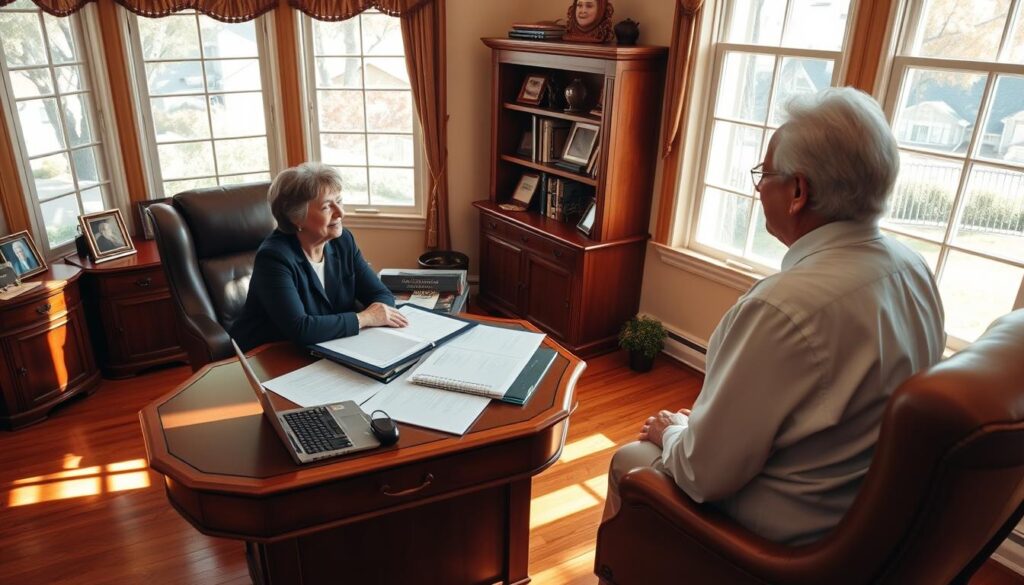
One of the most significant mistakes is failing to create an estate plan altogether. Without a plan, the distribution of your assets will be determined by the state, potentially leading to outcomes that contradict your wishes. We recommend working with an experienced estate planning attorney to craft a comprehensive plan.
Failing to Update the Plan
Estate plans are not static documents; they need to be updated as your circumstances change. Life events such as marriages, divorces, births, and deaths can significantly impact your estate plan. Regular updates ensure that your plan remains relevant and effective.
Ignoring Tax Implications
Tax implications are a crucial aspect of estate planning that is often overlooked. Failing to consider the tax consequences of your estate plan can result in unnecessary tax liabilities, reducing the value of your estate. We help you navigate these complexities to minimize tax burdens.
By avoiding these common mistakes, senior citizens in Lee County, Florida, can ensure that their estate plans are effective and their legacies are protected. We are committed to guiding you through the estate planning process with clarity and expertise.
Benefits of Revocable vs. Irrevocable Trusts
As part of a thorough estate plan, trusts can provide significant benefits, including avoiding probate and minimizing taxes. For seniors in Lee County, Florida, understanding the differences between revocable and irrevocable trusts is crucial for making informed decisions about their estate planning.
Trusts are a fundamental component of many estate plans, offering flexibility and security. The choice between a revocable and an irrevocable trust depends on several factors, including your financial situation, goals, and needs.
Flexibility of Revocable Trusts
Revocable trusts, also known as living trusts, offer the flexibility to make changes or revoke the trust at any time. This type of trust allows you to:
- Manage your assets during your lifetime
- Make changes to the trust as your circumstances change
- Avoid probate, ensuring a smoother transition of assets to your beneficiaries
Revocable trusts are particularly beneficial for individuals who want to maintain control over their assets while ensuring that their wishes are carried out after their passing.
Security of Irrevocable Trusts
Irrevocable trusts, on the other hand, offer greater security and potential tax advantages. Once an irrevocable trust is established, it cannot be changed or revoked without the consent of the beneficiaries. The benefits of an irrevocable trust include:
- Protection of assets from creditors
- Minimization of estate taxes
- Potential Medicaid planning benefits
Irrevocable trusts are often used in situations where asset protection and tax minimization are primary concerns.
| Features | Revocable Trusts | Irrevocable Trusts |
|---|---|---|
| Flexibility | Can be changed or revoked | Cannot be changed or revoked easily |
| Asset Protection | Limited protection | Strong protection from creditors |
| Tax Implications | No significant tax benefits | Potential estate tax minimization |
In conclusion, both revocable and irrevocable trusts have their benefits and can play a crucial role in senior estate planning in Lee County, Florida. By understanding the differences between these trusts, you can make informed decisions that align with your estate planning goals.
How to Discuss Estate Planning with Family
Estate planning is not just about legal documents; it’s about having open and honest conversations with your family. As we navigate the complexities of planning for the future, involving your loved ones in the process can help ensure that everyone’s wishes are respected and understood.
Setting the Stage for the Conversation
Starting a conversation about estate planning with your family requires sensitivity and preparation. It’s essential to choose the right time and place where everyone feels comfortable and secure. We recommend beginning the conversation by explaining why estate planning is important to you and how it can benefit the family as a whole.
To make the conversation more productive, consider the following steps:
- Be Clear About Your Intentions: Explain that your goal is to ensure that everyone’s wishes are respected and that the family’s assets are protected.
- Share Information: Provide an overview of the estate planning process and the documents involved, such as wills, trusts, and powers of attorney.
- Listen Actively: Allow family members to express their concerns and questions, and be prepared to address them openly.
Addressing Concerns and Questions
Family members may have various concerns or questions when discussing estate planning. It’s crucial to address these openly to build trust and understanding. Common concerns include how assets will be distributed, who will make decisions on behalf of others, and how to minimize potential conflicts.
When addressing these concerns, we suggest:
- Being Transparent: Clearly explain your decisions and the reasoning behind them.
- Providing Reassurance: Let family members know that your goal is to protect everyone’s interests.
- Seeking Professional Guidance: Consider involving an elder law attorney in Lee County, FL, who can provide expert advice and help facilitate the conversation.
By approaching the conversation with empathy and clarity, you can help ensure that your estate planning discussions with your family are productive and beneficial for everyone involved.

Tax Implications in Estate Planning
For Lee County retirees, understanding the tax implications of estate planning is vital for securing their legacy. Estate taxes can significantly impact the distribution of your assets, and navigating these taxes requires careful planning.
Understanding Estate Taxes
Estate taxes are levied on the transfer of a person’s estate upon their death. The tax is calculated based on the total value of the estate, including all assets such as real estate, investments, and personal property. In the United States, the federal estate tax exemption is quite high, but it’s essential to understand how it applies to your specific situation.
Estate Tax Exemptions: The federal government allows a certain amount of the estate to be exempt from taxation. For instance, in recent years, this exemption has been substantial, but it’s subject to change. It’s crucial to stay informed about the current exemption levels.
Gift Taxes and Exemptions
Gift taxes are another aspect of estate planning that can impact your wealth transfer. The IRS allows you to gift a certain amount each year without incurring gift tax. Understanding these rules can help you plan your gifting strategy effectively.
Annual Gift Tax Exclusion: The annual gift tax exclusion amount is per recipient, meaning you can gift this amount to multiple individuals without incurring gift tax. This can be a valuable strategy for reducing your taxable estate over time.
| Tax Type | Description | Exemption/Rate |
|---|---|---|
| Estate Tax | Tax on the transfer of a person’s estate upon death | Exemption: $12.06 million (2022); Rate: 40% |
| Gift Tax | Tax on gifts made during a person’s lifetime | Annual Exclusion: $16,000 (2022); Lifetime Exemption: $12.06 million |
By understanding and leveraging these tax exemptions, you can minimize the tax burden on your estate, ensuring more of your wealth is passed to your heirs. It’s advisable to consult with a professional familiar with retirement planning services Lee County FL to tailor a plan that meets your specific needs.
The Role of Life Insurance in Estate Planning
Incorporating life insurance into your estate plan can provide a safety net for your beneficiaries, ensuring they’re taken care of after you’re gone. Life insurance can play a critical role in estate planning, offering a source of funds to pay estate taxes, pay off debts, or support loved ones.
When considering life insurance as part of your estate plan, it’s essential to understand the different types of policies available and their respective benefits. This knowledge will help you make informed decisions that align with your estate planning goals.
Types of Life Insurance Policies
There are several types of life insurance policies, each designed to meet different needs and objectives. The most common types include:
- Term Life Insurance: Provides coverage for a specified period, typically ranging from 10 to 30 years. It’s often used to cover specific expenses or financial obligations.
- Permanent Life Insurance: Offers lifetime coverage as long as premiums are paid. It also accumulates a cash value over time, which can be borrowed against or used to pay premiums.
- Universal Life Insurance: A flexible premium policy that combines a death benefit with a savings component. It allows adjustments to premiums and death benefits.
- Variable Life Insurance: Allows you to invest the cash value in various investment options, potentially growing the policy’s value over time.
Benefits of Including Life Insurance
Including life insurance in your estate plan offers several benefits, including:
- Financial Security for Beneficiaries: Life insurance provides a financial safety net for your loved ones, helping them maintain their standard of living after your passing.
- Paying Estate Taxes and Debts: The proceeds from a life insurance policy can be used to pay estate taxes, debts, or other expenses, reducing the financial burden on your estate.
- Creating an Inheritance: Life insurance can be used to create an inheritance for your beneficiaries, even if you don’t have significant assets to pass down.
- Funding Business Succession Plans: For business owners, life insurance can be used to fund buy-sell agreements or business succession plans, ensuring a smooth transition.
By understanding the role of life insurance in estate planning and selecting the right policy for your needs, you can ensure that your loved ones are protected and your estate planning goals are achieved.
Planning for Long-Term Care
As we age, planning for long-term care becomes an essential aspect of securing our financial future and ensuring we receive the care we need. Long-term care planning is a critical component of estate planning, enabling us to protect our assets and make informed decisions about our care.
Understanding Long-Term Care Options
Long-term care encompasses a range of services, including assisted living, nursing home care, and home health care. Understanding these options is crucial in determining the best course of care for ourselves or our loved ones. We can choose from various care settings, each with its own benefits and costs.
When evaluating long-term care options, we should consider factors such as the level of care needed, the cost of care, and the availability of care providers in our area. By understanding our options, we can make informed decisions that align with our needs and preferences.
Medicaid Planning for Seniors
Medicaid planning is a vital aspect of long-term care planning, particularly for seniors who may require significant care services. Medicaid can help cover the costs of long-term care, but the eligibility requirements can be complex. We can work with experienced professionals to navigate these requirements and develop a plan that ensures we qualify for Medicaid benefits while protecting our assets.
Effective Medicaid planning involves understanding the rules and regulations governing Medicaid eligibility, including the look-back period and asset limits. By planning ahead, we can ensure that we have the resources needed to cover care costs without depleting our assets.
Digital Assets and Estate Planning
With more of our personal and financial information stored online, incorporating digital assets into estate planning has never been more important. As we continue to live more of our lives online, from storing personal photos and documents in the cloud to managing financial accounts and investments online, the need to ensure that these digital assets are properly managed and distributed according to our wishes after we pass away or become incapacitated has become a critical aspect of estate planning.
What Are Digital Assets?
Digital assets encompass a wide range of online accounts, files, and properties, including but not limited to:
- Financial accounts such as online banking, investments, and cryptocurrencies
- Personal documents and photos stored in cloud storage services
- Email accounts and social media profiles
- Digital properties like domain names and websites
- Intellectual property, including digital rights and royalties
These assets are not only valuable but also require specific instructions on how they should be managed or distributed. Without proper planning, digital assets can be lost, stolen, or inaccessible to loved ones, causing unnecessary distress and financial loss.
Including Digital Assets in Your Plan
To ensure that your digital assets are properly included in your estate plan, follow these steps:
- Inventory Your Digital Assets: Make a comprehensive list of all your digital assets, including account names, usernames, passwords, and any other relevant details. It’s crucial to keep this information secure yet accessible to your estate executor or loved ones.
- Designate a Digital Executor: Consider appointing a digital executor who is comfortable with technology and understands your digital footprint. This person will be responsible for managing your digital assets according to your wishes.
- Provide Instructions: Clearly outline how you want each digital asset to be handled. This could include instructions for memorializing social media accounts, transferring digital photos, or closing financial accounts.
- Regularly Update Your Plan: As your digital presence evolves, so too should your estate plan. Regularly review and update your digital asset inventory and instructions to reflect any changes.
By taking these steps, you can ensure that your digital legacy is protected and managed according to your wishes, providing peace of mind for you and your loved ones.
The Importance of Regularly Reviewing Your Estate Plan
As life unfolds, it’s essential to ensure your estate plan evolves with it. Life is full of changes, and your estate plan should be adjusted accordingly to secure your future. We understand that creating an estate plan is a significant step, but it’s equally important to review and update it regularly.
Significant life events can impact your estate plan, making it necessary to revisit and revise your documents. Some of these life changes include:
- Marriage or Divorce: Changes in marital status can significantly affect your estate plan, including beneficiary designations and distribution of assets.
- Birth or Adoption of a Child: Welcoming a new child into your family is a joyous occasion that also requires updates to your estate plan to ensure their care and financial well-being.
- Significant Changes in Assets: Acquiring or disposing of substantial assets, such as real estate or businesses, can impact your estate’s overall value and distribution.
- Changes in Health: A decline in health or a diagnosis of a serious illness may necessitate updates to your healthcare directives and powers of attorney.
- Moved to a Different State: Moving to a new state can subject your estate to different laws and regulations, potentially requiring adjustments to your estate plan.
Life Changes That Require Updates
It’s crucial to recognize when life changes necessitate updates to your estate plan. For instance, if you’ve recently married or divorced, you’ll need to update your beneficiary designations and possibly revise your will or trust. Similarly, the birth or adoption of a child is a significant event that requires you to plan for their future, including naming guardians and setting up trusts if necessary.
Keeping Your Plan Relevant Over Time
To keep your estate plan relevant, schedule regular reviews with your elder law attorney in Lee County, FL. This ensures that your plan remains aligned with your current wishes and circumstances. During these reviews, you can:
- Review your will and trusts to ensure they reflect your current wishes and circumstances.
- Update beneficiary designations on retirement accounts and life insurance policies.
- Reassess your powers of attorney and healthcare directives to ensure they are current and effective.
- Consider any changes in tax laws or other legislation that could impact your estate plan.
By regularly reviewing and updating your estate plan, you can have peace of mind knowing that your legacy is protected and your loved ones are cared for according to your wishes.
Local Resources for Estate Planning in Lee County
Residents of Lee County have access to various resources to help with estate planning. At Dorcey Law Firm, PLC, we are committed to supporting the local community by offering workshops and seminars on estate planning, ensuring that senior citizens have the necessary knowledge for effective senior citizen financial planning in Lee County, FL.
Community Education
Our community workshops provide a platform for individuals to learn about the importance of estate planning and how to navigate the process. These seminars cover topics such as wills, trusts, and powers of attorney, offering valuable insights for those seeking to secure their legacy.
Trusted Partnerships
We partner with trusted organizations and agencies to provide comprehensive support to our clients. By collaborating with local experts, we ensure that our clients receive well-rounded guidance on estate planning, tailored to their specific needs. For more information on estate planning in Lee County, you can visit our website at Pizzolato Law.